
Building Resilience: 3 Essential Pillars of Adaptive Agile Cybersecurity

agile-cybersecurity-impelementation
BY PUNGGAWA CYBERSECURITY MEDIA CENTER

In today’s rapidly evolving digital landscape, traditional, slow-moving “waterfall” project management models are no longer sufficient to address modern cyber threats. Security teams can no longer afford to spend six months planning a deployment when threat actors can exploit a new vulnerability in a matter of hours. To stay resilient, organizations are increasingly adopting agile cybersecurity, a dynamic, iterative approach to managing cybersecurity programs, security operations, and enterprise security projects.

Agile cybersecurity combines security best practices with agile methodologies such as Scrum, enabling organizations to deploy, monitor, and improve security controls continuously. This approach helps enterprises respond faster to emerging threats while maintaining operational efficiency.

By adopting agile methodologies, specifically the Scrum framework, organizations can deploy and manage complex security initiatives in a way that is highly adaptive and resilient.

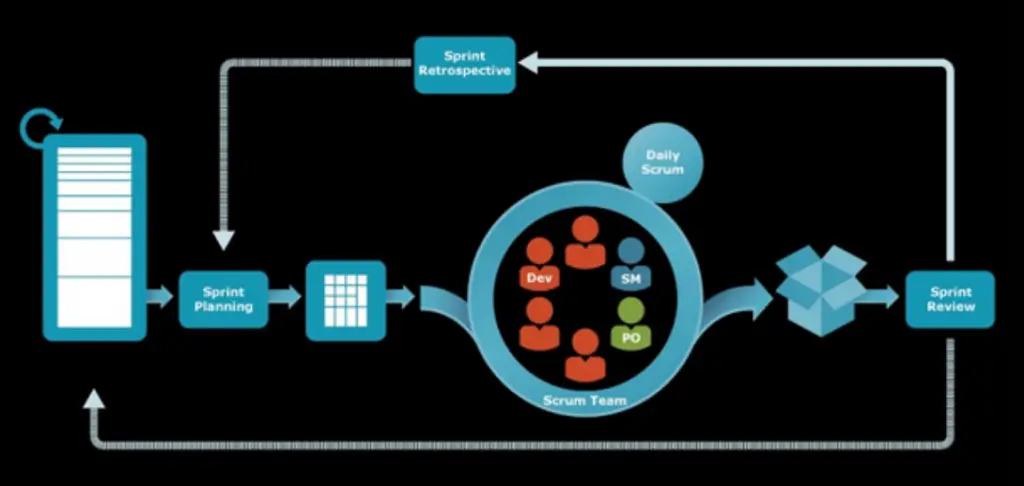
Historically, security projects were treated as static engineering tasks with fixed start and end dates. But modern enterprise defense requires continuous evolution. By applying agile cybersecurity principles, security leaders can break large-scale deployments into manageable, time-boxed phases known as sprints, allowing for continuous integration, testing, and feedback.

agile-cybersecurity-graph

Deploying a Security Operations Center (SOC) with Agile

A Security Operations Center (SOC) is the central command of an organization’s cyber defense strategy, providing continuous monitoring, threat detection, incident response, and security analytics. Deploying a SOC is a complex undertaking that requires coordination across multiple teams and technologies.

Using an agile cybersecurity approach simplifies SOC deployment and Security Operations Center implementation, allowing organizations to achieve security visibility faster while continuously improving detection and response capabilities.

1. Iterative Deployment: Rather than waiting months for a fully integrated SOC, teams can deliver a basic monitoring and alerting capability in the first sprint. Subsequent sprints can introduce automated incident response, security orchestration workflows, threat intelligence integration, and advanced analytics.

2. Enhanced Collaboration: Daily stand-up meetings and sprint retrospectives ensure that security analysts, network engineers, and software developers remain fully aligned.


3. Rapid Threat Adaptation:When new zero-day vulnerabilities or emerging attack campaigns appear, the agile team can quickly adjust priorities for the next sprint to focus on patching the most critical gaps immediately.

Deploying a robust Security Operations Center (SOC) is the cornerstone of modern corporate cyber defense, providing the continuous monitoring, threat detection, and real-time incident response needed to spot unauthorized anomalies like Shadow AI. Rather than waiting months for a fully traditional setup, Punggawa Cybersecurity utilizes an agile cybersecurity approach to deliver basic monitoring and alerting capabilities within the very first sprint. This iterative deployment ensures that your business achieves critical security visibility much faster, while daily alignment meetings allow the team to achieve rapid threat adaptation whenever new zero-day vulnerabilities or emerging digital risks appear.
Implementing SASE (Secure Access Service Edge)

Secure Access Service Edge (SASE) combines cloud-delivered security services with software-defined networking to provide secure access for modern distributed workforces.

Many enterprises struggle with SASE implementation due to its complexity, especially when integrating cloud security, identity controls, and network transformation initiatives. Agile cybersecurity provides a structured yet flexible framework for managing these deployments.

  • Phased Rollout: Teams can implement SASE components; such as Secure Web Gateways (SWG), Cloud Access Security Brokers (CASB), Zero Trust Network Access (ZTNA), and SD-WAN.
  • Continuous Testing: Testing the system at the end of every sprint ensures that security policies do not disrupt business operations before the next phase begins.
  • Customer Feedback Integration: Incorporating user feedback from early-stage rollouts allows IT teams to fine-tune access controls and minimize friction for the rest of the workforce.

Modernizing Penetration Testing Cycles

Traditional penetration testing is often conducted annually, resulting in static reports that may become outdated quickly in today’s threat landscape.

Through agile cybersecurity practices, organizations can transform penetration testing into a continuous security improvement process that supports ongoing risk reduction and faster vulnerability remediation.

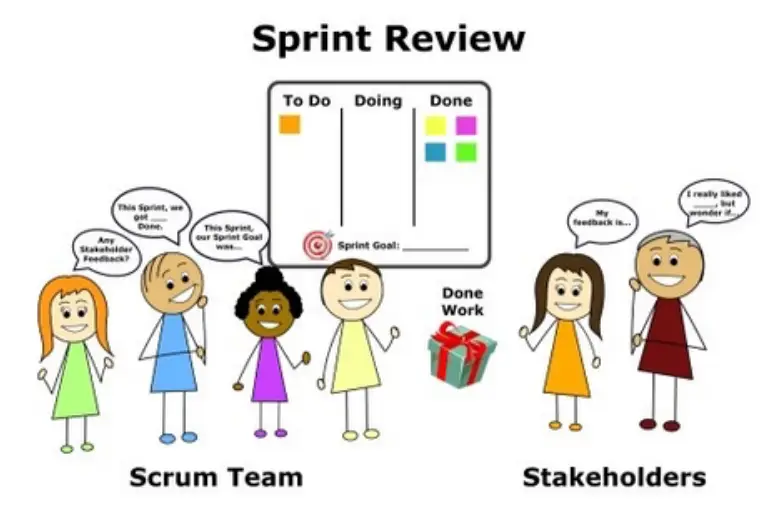
  • Targeted Sprint Goals: Each testing sprint can focus on a specific segment of the network—such as cloud infrastructure, web applications, APIs, endpoints, or databases.
  • Iterative Vulnerability Remediation: Instead of waiting for a massive final report, developers receive immediate findings from each sprint, allowing them to patch vulnerabilities progressively.
  • Dynamic Scope Adjustments: If testers uncover an unexpected, critical weakness, the scrum team can pivot immediately to investigate that vector further without waiting for a new contract cycle.

To ensure your defenses stay ahead of attackers, traditional security assessments must evolve past static, annual audits that become outdated almost immediately. Punggawa Cybersecurity transforms this landscape by integrating continuous Penetration Testing (Pentest) cycles broken down into targeted testing sprints. Each sprint focuses intensely on specific segments—such as cloud infrastructure, APIs, and databases—providing developers with immediate findings for iterative vulnerability remediation. This dynamic scope adjustment enables the scrum team to pivot and patch critical weaknesses progressively, closing security gaps before they can be exploited by insider threats or external actors.


Conclusion: Building a Resilient and Adaptive Cybersecurity Strategy

Ultimately, adopting an agile cybersecurity posture is no longer optional. As cyber threats become increasingly sophisticated, organizations need cybersecurity frameworks that can evolve at the same pace.

Whether implementing a Security Operations Center (SOC), deploying SASE architecture, conducting penetration testing, or managing enterprise security transformation initiatives, agile cybersecurity enables organizations to improve security outcomes through continuous delivery, collaboration, and rapid adaptation.

By replacing rigid planning cycles with iterative Scrum-based frameworks, enterprises can build a resilient security posture capable of responding to evolving threats in real time while supporting long-term business objectives.

Organizations seeking to accelerate cybersecurity transformation can leverage agile methodologies to reduce deployment risks, improve visibility, and strengthen overall cyber resilience.

Visit infosec.punggawa.com to read our Punggawa Magazines for more articles like these.

Frequently Asked Questions (FAQ)

What is agile cybersecurity?
Agile cybersecurity is the application of agile methodologies such as Scrum to cybersecurity initiatives, enabling continuous improvement, faster threat response, and iterative security deployments.

Why is agile cybersecurity important?
It helps organizations adapt quickly to evolving cyber threats, reduce deployment risks, and improve collaboration between security, IT, and business teams.
How does agile cybersecurity support SOC deployment?
Agile cybersecurity enables phased SOC implementation through iterative sprints, allowing organizations to deliver monitoring and incident response capabilities faster.
Can agile methodologies be applied to SASE implementation?
Yes. Agile approaches help organizations deploy SASE components incrementally while continuously testing performance, security policies, and user experience.

Can Punggawa Cybersecurity assist with agile SASE implementation?

Yes. Punggawa Cybersecurity leverages agile approaches to deploy SASE (Secure Access Service Edge) components incrementally. This allows your business to continuously test performance, fine-tune security policies, and monitor user experience in real-time, ensuring a seamless and secure digital transformation.