
BY PUNGGAWA CYBERSECURITY MEDIA CENTER
In today’s digital world, data is a company’s most valuable asset, but it can also be its biggest risk. As companies move their business online, it becomes much easier for hackers to find weak spots. Big data leaks and identity theft are no longer just stories—they are real dangers for businesses in Indonesia right now.
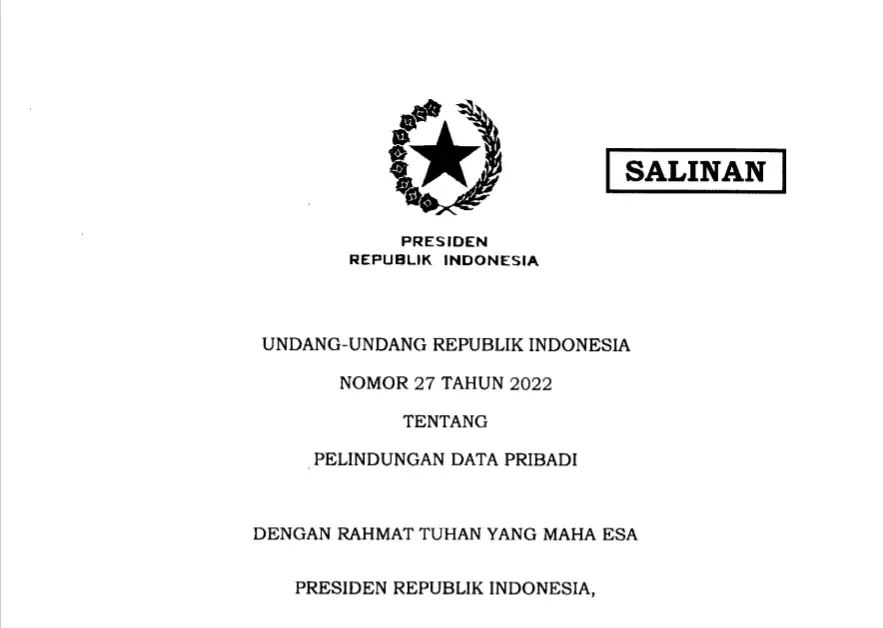
To fight these risks, the Indonesian government created the PDP Law (UU No. 27/2022) to change how companies protect user data. After giving companies two years to fix their systems, the government is now actively enforcing this law.
Today, following the PDP Law is not just a task for the legal team; it is a critical business rule that decides whether a company survives or goes bankrupt.
Connecting Security Systems with Legal Rules
For a long time, companies kept their IT teams and Legal teams completely separate. Having these two teams work in different worlds without talking to each other cannot work anymore. If they keep doing this, the company will get hacked, fail government audits, and lose a lot of money.
In Punggawa Magazine Vol. 3, security and legal experts discussed this exact issue. They emphasized that while IT security and legal rules look different, they actually have the exact same goal: keeping sensitive customer data safe, private, and available.
Under the PDP Law, companies are called “Data Controllers.” This means your company has a legal duty to be transparent and build strong defenses. Every step of handling data—from collecting and using it, to storing and deleting it—must have the user’s permission and be protected by strong security.
5 Simple Security Rules Every Company Must Follow
To avoid heavy fines and make sure your company follows the law, leaders must build these 5 basic steps into their daily business:
Before you launch any new software, app, or cloud system, you must check the security risks first. A DPIA helps you see exactly how data moves and fix any security gaps before you even start using customer data.
Most data leaks happen because of human mistakes. IT departments must run regular training sessions so every employee knows how to spot fake emails (phishing) and how to handle sensitive databases safely.
3. Updating Company Rules
Your internal company policies must match the national PDP Law. This includes creating clear steps for when a customer asks to see their data, move it, or delete it completely from your system.
Companies need to test their networks regularly using independent experts. Following international standards like ISO/IEC 27001 and getting checks aligned with the National Cyber and Crypto Agency (BSSN) ensures your defenses can block modern hackers.
If your system gets hacked, you can no longer use secret fixes and hide the problem. Companies are legally required to send a written report to the government and the affected users within 72 hours after discovering the leak. This means your team must quickly stop the hack, find out what went wrong, and report it immediately.
The Price of Being Careless: Heavy Revenue Fines
The government takes this law very seriously. If a company is careless and ignores the PDP Law, it will face heavy punishments. The most dangerous penalty is a massive fine: up to 2% of the company’s total annual sales (revenue).
The official legal punishments are given step-by-step:
- Written Warnings: Official letters telling the company to fix their mistakes.
- Temporary Suspension: The government forces the company to stop all data activities until they fix their security. (This can completely shut down a digital business).
- Mandatory Fixes: Forcing the company to delete or wipe out any data that was processed unlawfully.
- Financial Penalties: Massive fines reaching up to 2% of the company’s total yearly revenue.
For any business, losing 2% of total sales is a massive financial blow. When you add the fact that company directors can face criminal charges and lose customer trust, investing in good security is much cheaper than ignoring the law.
How to Defend Your Company in Court
If a very smart hacker manages to break into your system, the government investigation will look closely at one thing: Did you try your best to prevent it?
Experts say that Indonesian authorities will check if your company used standard, modern defenses. If you can prove that your company has clear rules, monitors its systems daily, keeps its security certificates updated, and uses proper cybersecurity frameworks, the government may treat the hack as an unfortunate accident rather than corporate carelessness.
On the other hand, if a company has no clear security plan, uses outdated systems, or does not encrypt its data, it will face the maximum fines. Building strong security is not just about blocking hackers; it is about proving to the law that you are a responsible business.
How Punggawa Cybersecurity Shields Your Enterprise from PDP Liability
Following the UU No. 27/2022 perfectly requires deep technical skills and constant system monitoring. This is where Punggawa Cybersecurity can help as your strategic partner. We specialize in turning complicated legal rules into bulletproof technical defenses.
From running end-to-end risk assessments (DPIA) to aligning your systems with ISO/IEC 27001 standards, Punggawa Cybersecurity makes sure your company is both secure and legally safe. Don’t wait for a costly government audit or a painful data leak to find the weak spots in your system. Protect your revenue and build strong digital trust with our tailored enterprise security services.
Conclusion: Protect the User, Save the Business
Thinking of data protection as just annoying government paperwork is a big mistake. In today’s digital economy, having strong privacy rules actually helps you win more customers.
The PDP Law is a major step forward for business responsibility. By using these rules to build a modern, high-security network and teaching your team to stay alert, you won’t just avoid scary legal fines—you will keep the trust of the customers who keep your business alive.
Visit infosec.punggawa.com to read the latest editions of Punggawa Magazine for deep-dive technical analyses and enterprise cybersecurity strategies.
Frequently Asked Questions (FAQ)
What is the PDP Law (UU No. 27/2022) and who does it apply to?
The PDP Law is Indonesia’s national data privacy framework. It applies to all businesses, government bodies, and international companies that collect, use, or store the personal data of Indonesian citizens.
What are the financial penalties for failing to comply with the PDP Law?
Companies can be fined up to 2% of their total annual revenue for severe violations. Other punishments include official warnings, temporary business stops, and forced data deletion.
What is the deadline to report a data breach under the PDP Law?
Companies must send a formal written report to the government authority and the affected users within 72 hours of discovering a data leak.
Can ISO/IEC 27001 certification protect an enterprise from regulatory fines?
It does not give you automatic immunity, but having an ISO/IEC 27001 certificate and following BSSN standards proves to the government that you tried your best. This can save your company from facing the maximum 2% revenue fine.
What services does Punggawa Cybersecurity offer to help companies comply with the PDP Law?
Punggawa Cybersecurity provides a complete set of security services, including technical risk checks for PDP compliance, Managed Detection and Response (MDR), continuous system monitoring, and expert security testing to ensure your company meets all legal rules.
Where can I find more technical analyses and insights from Punggawa Cybersecurity?
You can access deep-dive security resources, threat reports, and expert compliance articles by visiting infosec.punggawa.com and reading the digital editions of Punggawa Magazine.